Comparing Different Car Shipping Options
- Tompaul Marketing
- Jan 20
- 4 min read

Updated: Apr 27
When it comes to moving a car from one place to another, choosing the right vehicle transport method is crucial. Whether relocating across the country, buying a car online, or sending a vehicle to a family member, understanding the options available can save time, money, and stress. This guide explores various vehicle transport methods, their pros and cons, and practical tips to help you make an informed decision.
Overview of Vehicle Transport Methods
There are several ways to transport a vehicle, each suited to different needs and budgets. The most common methods include:
Open Carrier Transport: The most popular and cost-effective method. Vehicles are loaded onto an open trailer, exposed to weather and road conditions.
Enclosed Carrier Transport: Offers protection from the elements and road debris. Ideal for luxury, classic, or high-value cars.
Driveaway Service: A professional driver drives your car to the destination. This can be faster but adds mileage and wear.
Rail Transport: Shipping by train can be economical for long distances but requires coordination for pickup and delivery.
DIY Driving: You drive the car yourself, which is flexible but time-consuming and adds mileage.
Each method has unique benefits and drawbacks depending on your priorities such as cost, speed, and vehicle safety.

Detailed Comparison of Vehicle Transport Methods
Open Carrier Transport
Open carrier transport is the industry standard for most vehicle shipments. Cars are stacked on a multi-level trailer, exposed to weather and road debris. This method is affordable and widely available.
Pros:
Lower cost compared to enclosed transport
Faster scheduling and availability
Suitable for most vehicles
Cons:
Exposure to weather and road elements
Slight risk of minor damage from debris
Open carriers are ideal for everyday vehicles where cost is a priority over extra protection.
Enclosed Carrier Transport
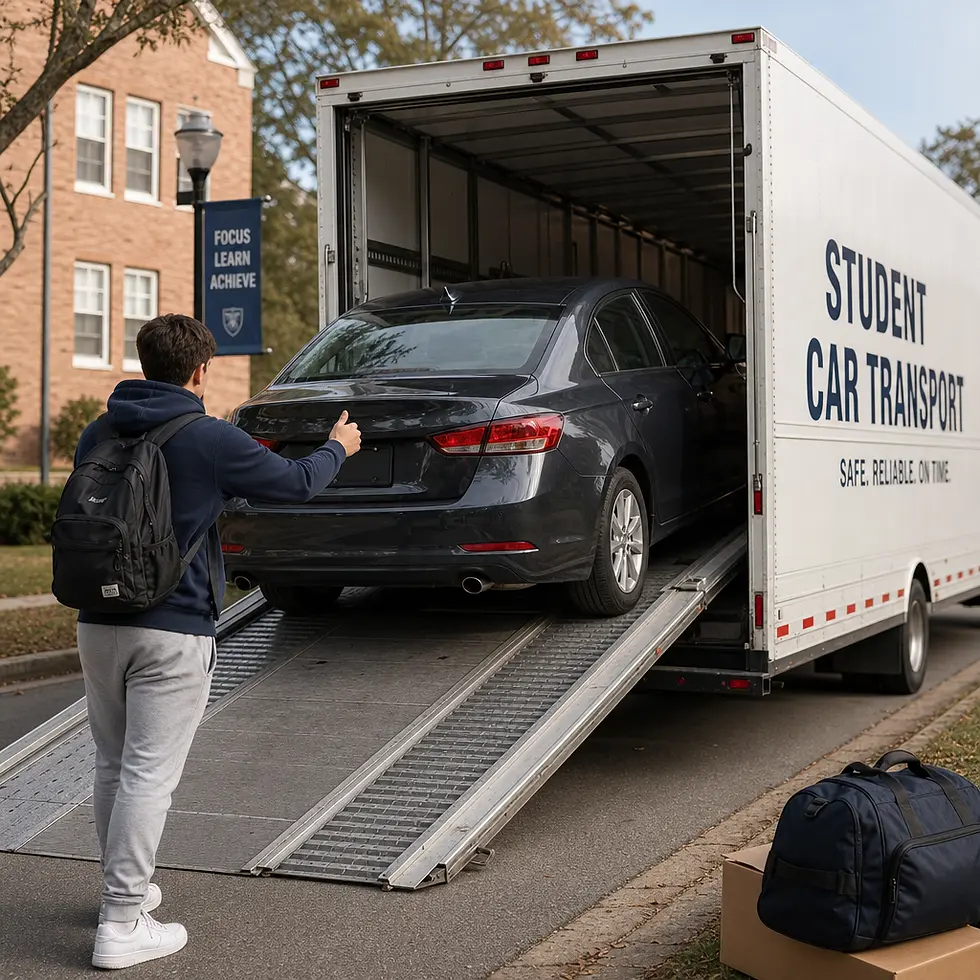
Enclosed carriers provide a fully covered trailer, shielding vehicles from weather, dust, and road hazards. This method is preferred for expensive, classic, or exotic cars.
Pros:
Maximum protection from elements and damage
Peace of mind for high-value vehicles
Cons:
Higher cost, sometimes double open carrier prices
Limited availability and longer wait times
If you own a luxury or collector car, enclosed transport is worth the investment.
Driveaway Service
Driveaway services involve hiring a professional driver to personally drive your vehicle to the destination. This can be a good option for short distances or when you want the car delivered quickly.
Pros:
Faster delivery times
Door-to-door service possible
No need for loading or unloading
Cons:
Adds mileage and wear to the vehicle
Risk of driver-related issues
Usually more expensive than open carrier
Driveaway is best for those who prioritize speed and convenience over mileage concerns.
Rail Transport
Shipping a car by train can be cost-effective for long-distance moves, especially cross-country. Vehicles are loaded into railcars and transported to a rail terminal near the destination.
Pros:
Economical for long distances
Environmentally friendly option
Cons:
Limited rail terminals require additional transport to/from stations
Longer transit times
Less flexible scheduling
Rail transport suits those with time flexibility and access to rail terminals.
DIY Driving
Driving the vehicle yourself is the most straightforward option if you have the time and enjoy road trips. It avoids shipping fees but adds wear and fuel costs.
Pros:
Full control over timing and route
No shipping fees
Cons:
Adds mileage and wear
Time-consuming and tiring
Potential overnight stays and lodging costs
DIY driving is best for short to medium distances when you want to combine transport with travel.

What is the cheapest way to ship a car?
If budget is your primary concern, open carrier transport is generally the cheapest way to ship a car. Because it is the most common method, carriers can offer competitive rates due to high volume and efficiency.
Here are some tips to get the best price:
Book in advance - Last-minute bookings often cost more.
Be flexible with pickup and delivery dates - Flexibility can lower costs.
Choose terminal-to-terminal shipping - Dropping off and picking up at terminals is cheaper than door-to-door.
Avoid peak seasons - Summer and holidays tend to have higher prices.
Compare multiple quotes - Use online tools or brokers to find competitive rates.
While open carrier transport exposes your vehicle to the elements, it remains the most affordable and practical option for most people.

How to Choose the Right Vehicle Transport Method
Selecting the best vehicle transport method depends on several factors:
Vehicle type and value: High-value or classic cars benefit from enclosed transport.
Budget: Open carrier is best for cost savings.
Distance: Rail or driveaway may be better for long distances.
Time sensitivity: Driveaway and open carrier offer faster delivery.
Pickup and delivery locations: Terminal availability affects rail and open carrier options.
Personal preferences: Some prefer to drive their own car.
Before booking, research companies carefully. Check reviews, insurance coverage, and licensing. Ask about hidden fees and cancellation policies.
For a visual overview of different car shipping options, you can visit this car shipping options gallery to see real examples of transport methods in action.
Final Thoughts on Vehicle Transport Methods
Choosing the right vehicle transport method can make your car shipment smooth and stress-free. Consider your priorities carefully - whether it is cost, speed, or protection. Open carrier transport remains the most popular and affordable choice, while enclosed carriers offer peace of mind for valuable vehicles. Driveaway and rail transport provide alternatives depending on your timeline and route.
By understanding the pros and cons of each method, you can confidently select the best option for your vehicle transport needs. Planning ahead and comparing quotes will help you get the best deal and ensure your car arrives safely at its destination.

Comments