How Long Does It Take to Ship a Car Coast to Coast in the US?

Updated: Apr 27
Shipping a car across the United States, from one coast to the other, is a common need for many people. Whether relocating for work, buying a vehicle from a distant state, or sending a car for a special event, understanding the timeline for coast-to-coast car shipping is crucial. One of the most frequent questions is: How long does it take to ship a car coast to coast in the US? The typical answer is about 7 to 8 days, but several factors can influence this timeframe.
This post breaks down what affects shipping times, what to expect during the process, and tips to ensure your vehicle arrives safely and on schedule.
Understanding Coast-to-Coast Car Shipping
Coast-to-coast shipping refers to transporting a vehicle from the East Coast to the West Coast or vice versa. For example, shipping a car from New York to California or from Florida to Washington State. This journey covers roughly 2,500 to 3,000 miles depending on the exact locations.
Because of the long distance, shipping a car coast to coast requires careful planning and coordination with auto transport companies. The process usually involves:
Picking up the vehicle from the origin address
Loading it onto a carrier truck
Transporting it across multiple states
Delivering it to the destination address
Typical Timeframe for Shipping a Car Coast to Coast
The average time to ship a car coast to coast in the US is 7 to 8 days. This estimate includes pickup, transit, and delivery. Here’s a breakdown of the timeline:
Pickup: 1 to 2 days after booking
Transit: 5 to 6 days on the road
Delivery: 1 day for final drop-off
This timeline can vary based on several factors, which we will explore next.
Factors That Affect Shipping Time
Distance and Route
The exact distance between the pickup and delivery points directly impacts transit time. Routes with heavy traffic, road construction, or detours can add days to the journey.
Type of Transport Service
Open transport is the most common and usually faster. Vehicles are loaded onto an open carrier truck.
Enclosed transport offers more protection but may take longer due to limited carrier availability.
Weather Conditions
Severe weather such as snowstorms, hurricanes, or heavy rain can delay transport trucks, especially in winter or hurricane season.
Carrier Availability
The number of available carriers in your area affects how quickly your vehicle can be picked up. Busy seasons or remote locations might cause delays.
Vehicle Condition
If your car is not running, it may require special equipment or handling, which can add time.
How to Prepare Your Car for Shipping
Preparing your vehicle properly helps avoid delays and ensures a smooth shipping experience.
Clean your car inside and out for inspection purposes.
Remove personal items; most carriers do not allow them.
Check for leaks or mechanical issues that could complicate loading.
Document existing damage with photos.
Keep the gas tank about a quarter full to reduce weight but allow for movement.

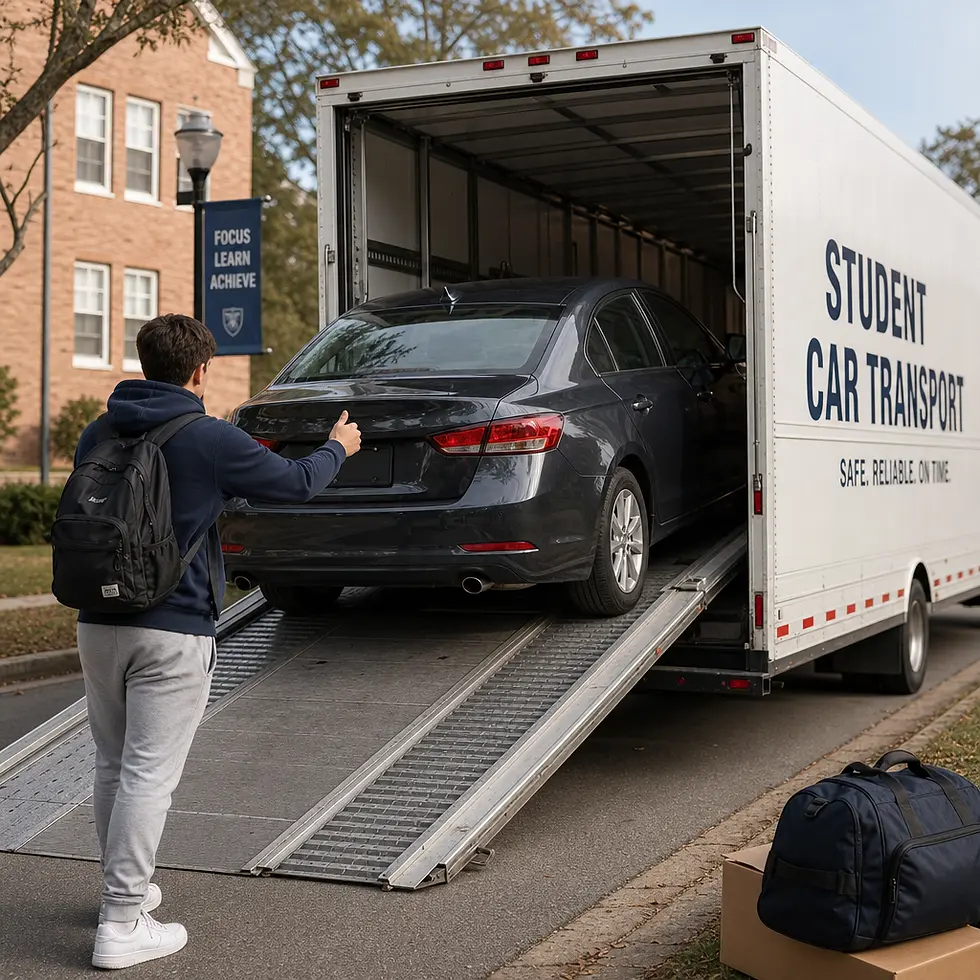
Car being loaded onto an open auto transport truck at a shipping depot
What to Expect During the Shipping Process
Booking and Scheduling
Once you book with a transport company, they will schedule a pickup window. This window can range from the same day to a few days later depending on carrier availability.
Pickup Day
The carrier arrives to inspect and load your vehicle. You will sign a bill of lading documenting the car’s condition.
Transit
The vehicle travels on a carrier truck, often sharing space with other cars. Drivers follow planned routes but may adjust for traffic or weather.
Delivery
The carrier contacts you before arrival. Upon delivery, you inspect the vehicle again and sign off on the condition.
Tips to Ensure Timely Delivery
Book early to secure your preferred dates.
Choose reputable carriers with good reviews.
Stay in communication with the transport company.
Be flexible with pickup and delivery windows.
Understand the contract and any potential delays.
Cost vs. Time: What to Expect
Faster shipping options may cost more. For example, expedited shipping can reduce transit time but increase fees. Standard shipping balances cost and timing, usually fitting within the 7 to 8-day window.
Real-Life Example
A customer shipping a car from Miami, Florida to Seattle, Washington booked a standard open transport service. Pickup was scheduled two days after booking. The vehicle traveled approximately 3,300 miles and arrived in 7 days, right within the expected timeframe. The customer reported clear communication and smooth delivery.
Final Thoughts on Coast-to-Coast Car Shipping Time
Shipping a car across the US coast to coast generally takes about 7 to 8 days. This timeframe covers pickup, transit, and delivery. Understanding the factors that influence timing helps set realistic expectations and avoid surprises.
Additional Considerations for Coast-to-Coast Shipping
Understanding the Costs Involved
When shipping a car, it’s essential to understand the costs involved. The price can vary based on several factors, including:
Distance: Longer distances typically cost more.
Transport type: Open transport is generally cheaper than enclosed transport.
Seasonality: Prices may increase during peak moving seasons.
Choosing the Right Transport Company
Selecting a reputable transport company is crucial. Look for companies with positive reviews and a solid track record. Ensure they are licensed and insured. This can provide peace of mind during the shipping process.
The Importance of Insurance
While most transport companies offer basic insurance, it’s wise to consider additional coverage. This can protect you against potential damage during transit. Always read the insurance policy carefully to understand what is covered.
Preparing for Delivery
When your car arrives, inspect it thoroughly. Check for any damage that may have occurred during transit. If you notice anything unusual, document it immediately and report it to the transport company.
Conclusion
In conclusion, shipping a car coast to coast is a straightforward process, but it requires careful planning. By understanding the timeline, preparing your vehicle, and choosing the right transport company, you can ensure a smooth and timely delivery. Whether you're relocating or purchasing a vehicle, being informed will help you navigate the shipping process with ease.

Comments