Vehicle Shipping Basics: A Comprehensive Overview

Transporting a vehicle from one location to another can be a complex process, especially if the distance is long or the vehicle is valuable. Whether you are relocating, buying a car from another state, or sending a classic car to a show, understanding the essentials of vehicle shipping is crucial. This guide will walk you through the key aspects of vehicle shipping, including the basics, cost factors, types of transport, and tips for a smooth experience.
Understanding Vehicle Shipping Basics
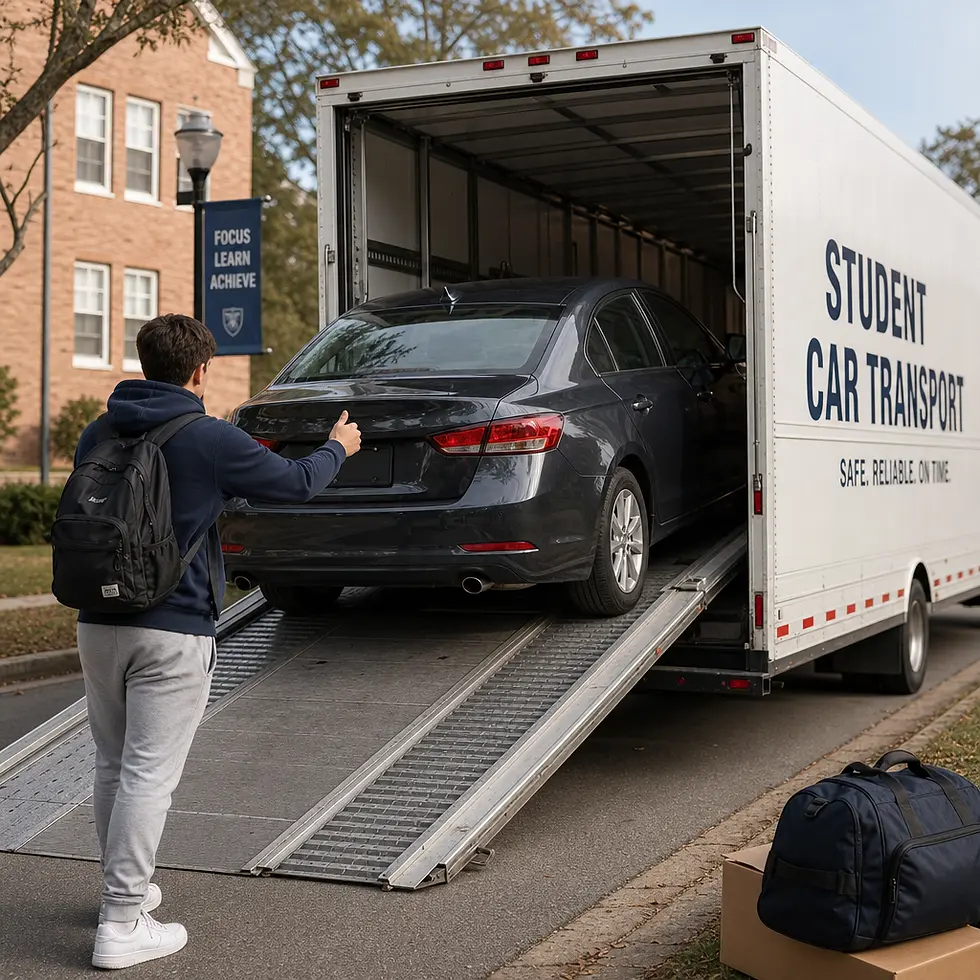
Vehicle shipping involves transporting a car, truck, motorcycle, or other types of vehicles from one place to another using specialized carriers. This service is often used when driving the vehicle is impractical or impossible due to distance, time constraints, or vehicle condition.
There are two primary methods of vehicle transport:
Open Transport: The most common and cost-effective method. Vehicles are loaded onto an open trailer, exposed to weather and road conditions.
Enclosed Transport: Offers protection from the elements and road debris. Ideal for luxury, classic, or high-value vehicles.
When planning vehicle shipping, it is important to consider the pickup and delivery locations, the type of vehicle, and the timeframe. Shipping companies typically offer door-to-door or terminal-to-terminal services. Door-to-door is more convenient but may cost more.

Factors Affecting Vehicle Shipping Costs
Several factors influence the cost of shipping a vehicle. Understanding these can help you budget and choose the best shipping option.
Distance: The longer the distance, the higher the cost. Shipping a car across the country will cost more than a short regional move.
Vehicle Size and Weight: Larger and heavier vehicles require more space and fuel, increasing the price.
Transport Type: Enclosed transport is more expensive than open transport due to added protection.
Season and Demand: Prices can fluctuate based on the time of year and demand for shipping services.
Pickup and Delivery Locations: Remote or hard-to-access locations may incur additional fees.
Vehicle Condition: Non-operational vehicles may require special equipment, increasing costs.
To get the best price, it is recommended to request quotes from multiple carriers and compare services and reviews.
How much to ship a car 3,000 miles?
Shipping a car 3,000 miles typically falls into the long-distance category and can vary widely in cost depending on the factors mentioned above. On average, you can expect to pay between $1,000 and $1,500 for open transport. Enclosed transport for the same distance may cost $1,500 to $2,500 or more.
For example, shipping a standard sedan from New York to California (approximately 3,000 miles) via open transport might cost around $1,200. If you choose enclosed transport for added protection, the price could rise to $2,000.
To save money on long-distance shipping:
Book in advance to secure better rates.
Be flexible with pickup and delivery dates.
Choose terminal-to-terminal shipping if possible.
Avoid peak moving seasons like summer.

Preparing Your Vehicle for Shipping
Proper preparation of your vehicle can prevent damage and delays during transport. Here are some essential steps:
Clean Your Vehicle: A clean car allows for a thorough inspection before shipping.
Document Existing Damage: Take photos of any scratches, dents, or other issues.
Remove Personal Items: Shipping companies usually prohibit personal belongings inside the vehicle.
Check Fluid Levels: Ensure there are no leaks and that the gas tank is about a quarter full.
Disable Alarms: Prevent the alarm from going off during transport.
Check Tire Pressure: Properly inflated tires reduce the risk of damage.
Provide Keys: You may need to provide two sets of keys to the carrier.
Following these steps helps ensure your vehicle arrives safely and in the same condition as when it was picked up.
Tips for Choosing a Reliable Vehicle Shipping Company
Selecting the right shipping company is critical for a hassle-free experience. Here are some tips to help you make an informed decision:
Check Credentials: Verify the company’s license and insurance with the Department of Transportation.
Read Reviews: Look for customer feedback on independent review sites.
Get Multiple Quotes: Compare prices and services from several companies.
Ask About Insurance Coverage: Understand what is covered and what is not.
Clarify Pickup and Delivery Times: Confirm estimated dates and any flexibility.
Understand the Contract: Read the terms and conditions carefully before signing.
Using a reputable company reduces the risk of damage, delays, and unexpected costs.
Final Thoughts on Vehicle Shipping
Shipping a vehicle can be a straightforward process when you understand the basics and plan accordingly. From choosing the right transport method to preparing your vehicle and selecting a reliable carrier, each step plays a vital role in ensuring a smooth experience.
For those looking to move their vehicle safely and efficiently, exploring options and gathering information is the best way to make an informed decision. Whether you are shipping a family car, a motorcycle, or a luxury vehicle, knowing what to expect will help you avoid surprises and enjoy peace of mind.
For more detailed information and to get started with your vehicle transport, consider exploring professional vehicle shipping services that specialize in safe and reliable delivery.


Comments